
Astro Tourism: Discover Africa’s Dark Skies
January, 2026
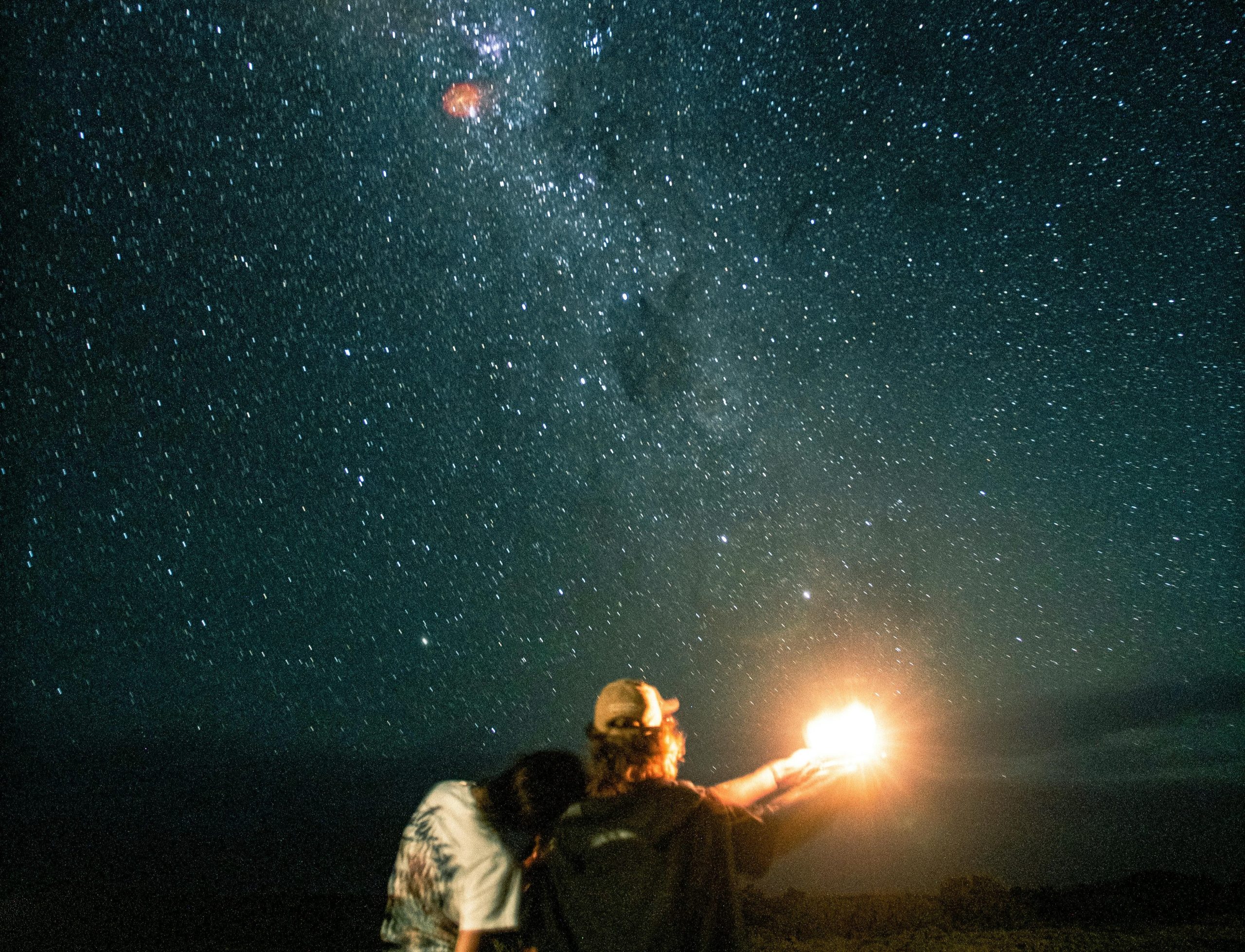
As travellers seek experiences that feel more meaningful, immersive and restorative, a new travel trend is quietly capturing imaginations around the world. Astro tourism in Africa invites travellers to slow down, look up, and reconnect with the universe in places where darkness still reigns.
For safari-goers, this trend feels like a natural evolution. Africa’s vast wilderness areas, minimal light pollution and deep-rooted celestial traditions create the perfect setting for stargazing experiences that go far beyond simply spotting constellations. From Kenya’s newly launched Astro tourism initiative to South Africa’s world-leading observatories, the continent is fast becoming one of the most exciting Astro tourism destinations on Earth.
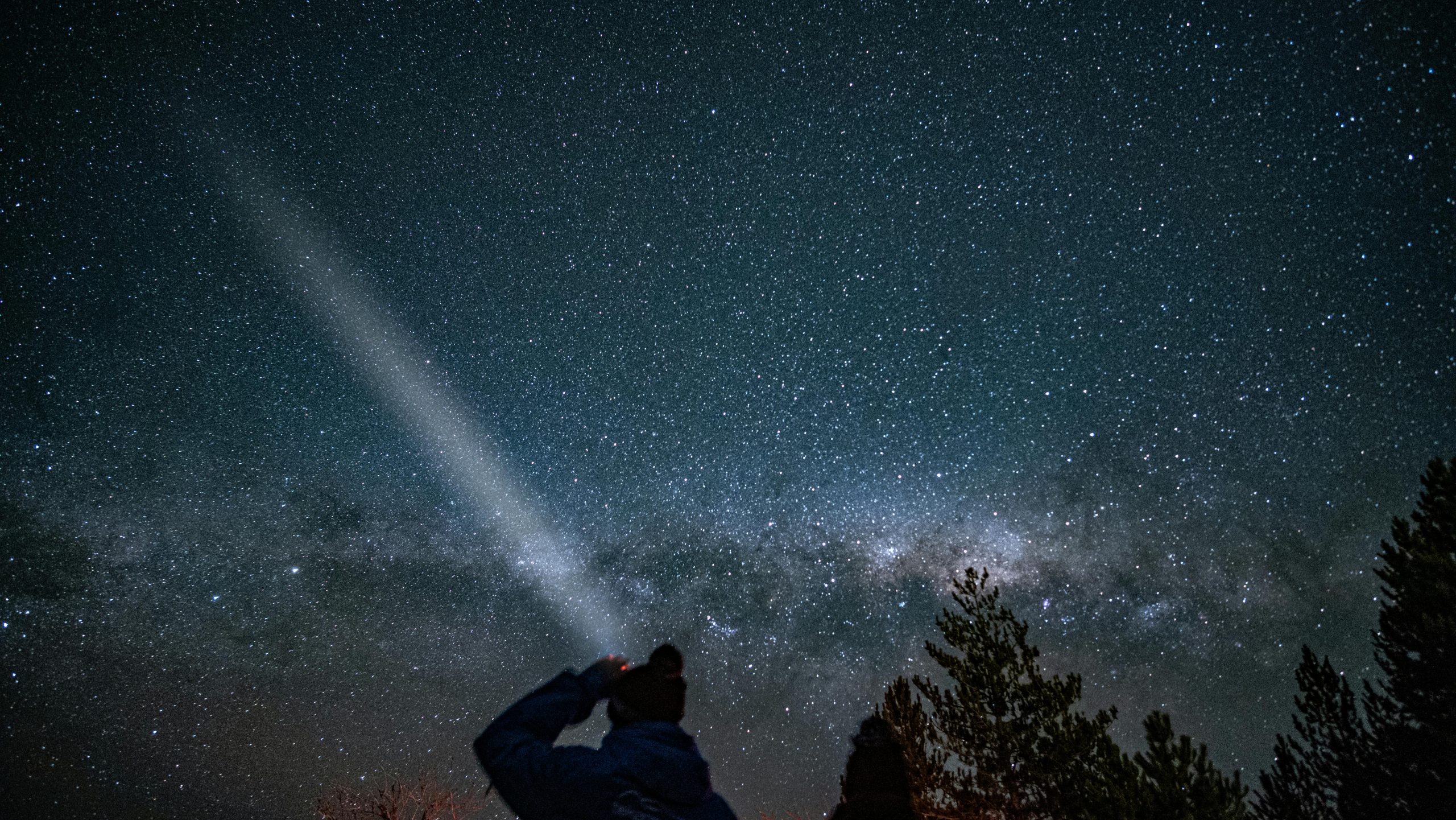
What is Astro tourism?
Astro tourism is a niche, but rapidly growing form of travel focused on sky-based experiences. It blends stargazing, astronomy, astrophotography and celestial education with cultural storytelling and nature-based travel.
Experiences can range from guided constellation walks and telescope sessions to planetarium visits, meteor-shower viewings and immersive storytelling rooted in indigenous star lore. For many travellers, Astro tourism is not about technical astronomy, but about a sense of inexplicable awe. Witnessing a sky so rich with stars that it changes how you see the world.
In Africa, these experiences are often paired with safari activities by day, creating a seamless flow from wildlife encounters to cosmic exploration. The soundtrack of the bush, distant lions, hyenas or the crackle of a campfire, adds an unforgettable dimension.
Why is Astro tourism a major travel trend?
One of the biggest drivers behind Astro tourism is scarcity. Around 99% of the world’s population now lives under light-polluted skies, and in the UK and much of Europe, seeing the Milky Way has become almost impossible. As a result, pristine night skies have become a rare and highly sought-after experience.
Astro tourism also aligns perfectly with broader travel trends. Travellers are increasingly drawn to slower, more mindful journeys, sustainable tourism, and experiences that connect science, culture and nature. Stargazing delivers all three. It offers a sense of perspective, a break from digital overload, and a powerful emotional connection that lingers long after the journey ends.
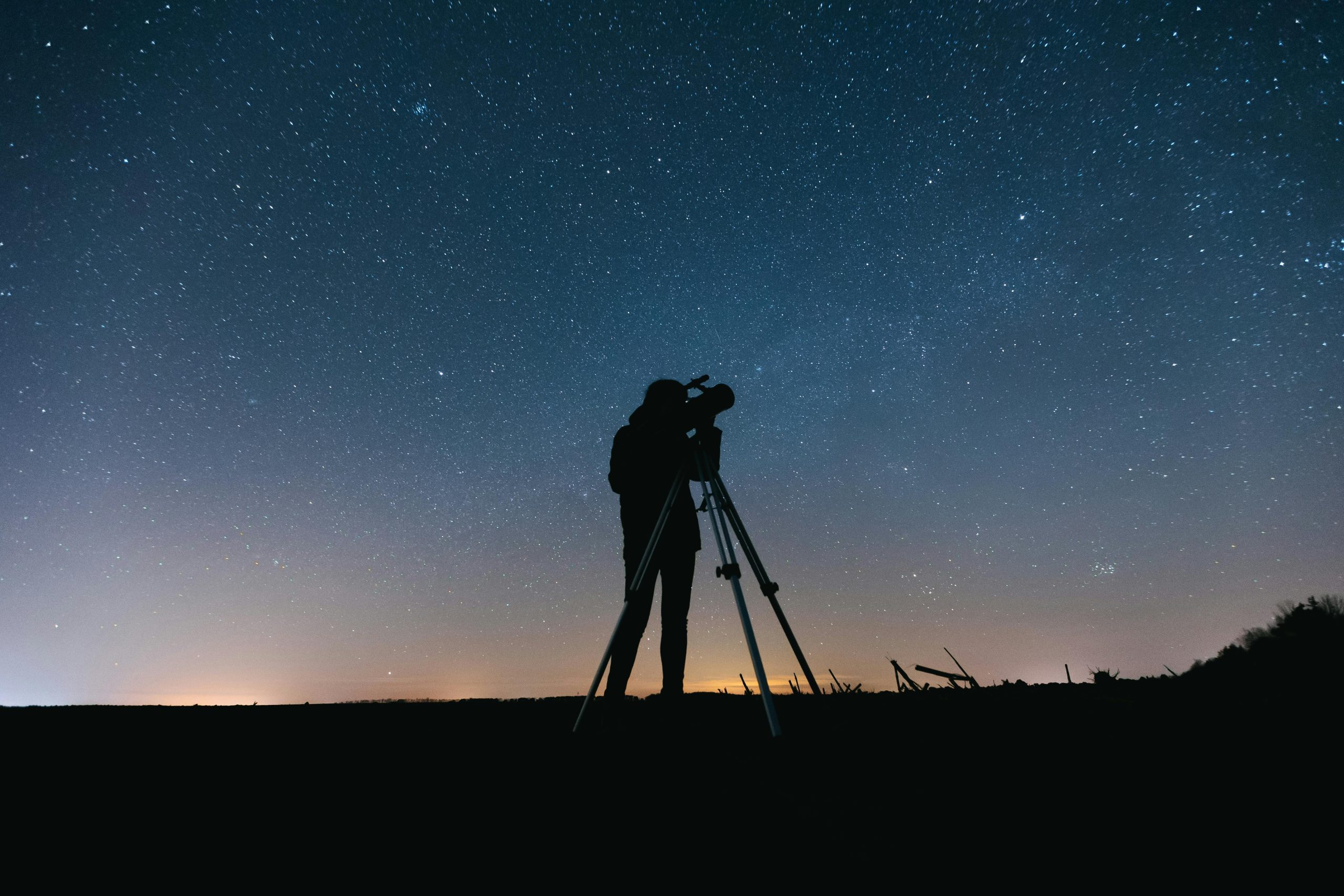
How Astro tourism captivates travellers
Standing beneath a sky ablaze with stars is humbling. It invites reflection, curiosity and wonder in a way few travel experiences can. Astro tourism in Africa is deeply restorative. It’s a chance to reconnect with nature and feel part of something far bigger than everyday life.
It is also wonderfully flexible. Stargazing can be enjoyed from the comfort of a luxury safari lodge, beside a campfire in the bush, or through guided experiences led by astronomers and cultural storytellers. When paired with wildlife encounters by day, it creates a truly rounded safari experience.
Is Astro tourism for me?
It resonates with seasoned safari-goers looking for something new, couples seeking romantic and meaningful experiences, and curious explorers drawn to science, photography and culture. Astro tourism appeals to a wide range of travellers.
It is particularly well-suited to:
- Well-travelled guests looking for unique, non-crowded experiences
- Honeymooners and couples celebrating special occasions
- Families with older children interested in science and nature
- Photographers and creatives seeking dramatic nightscapes
- Travellers drawn to slow, sustainable, purpose-led journeys
No prior astronomy knowledge is needed. Just curiosity and a willingness to look up.
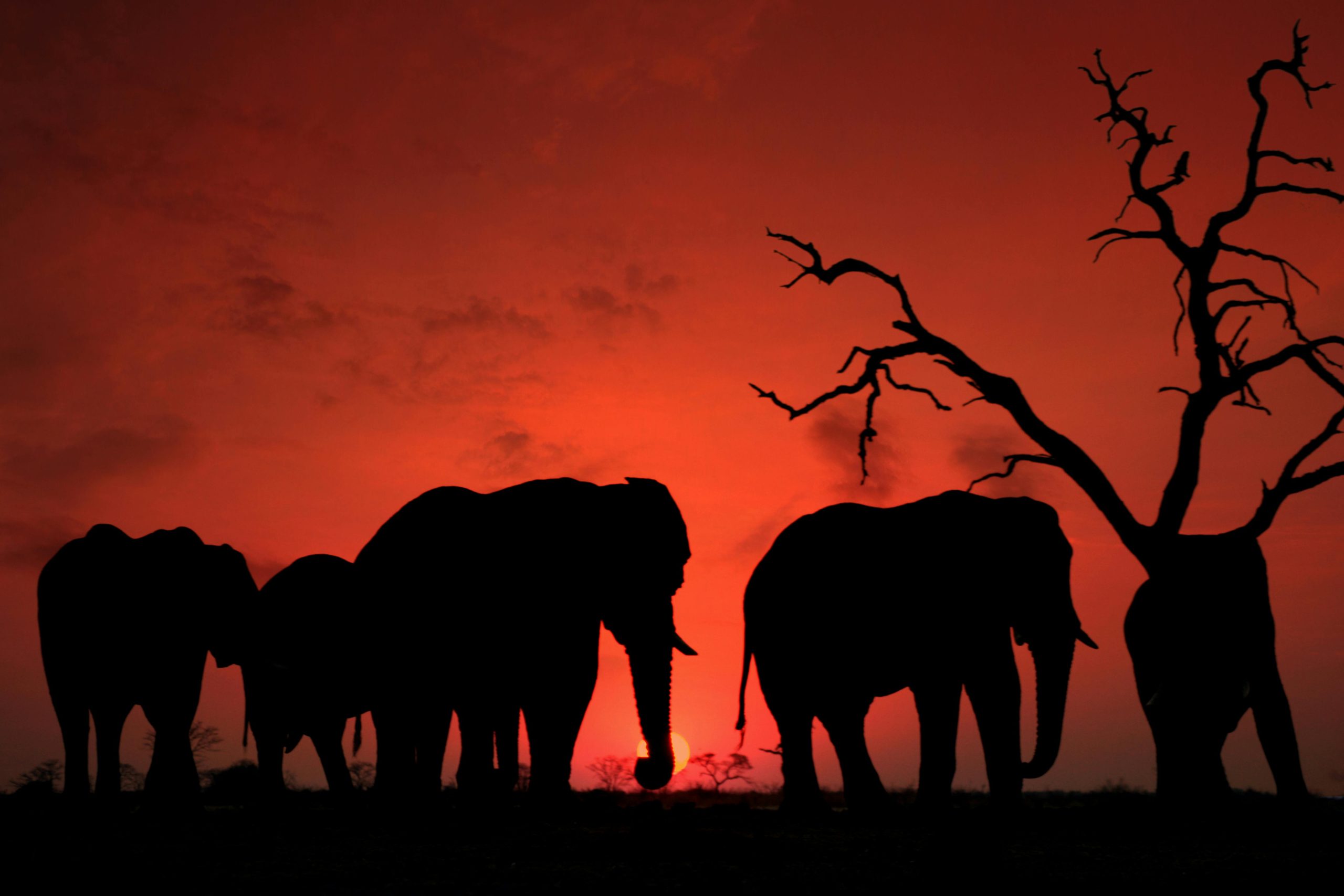
Why Kenya is a standout Astro tourism destination
Kenya is emerging as one of Africa’s most exciting Astro tourism destinations, supported by a national initiative that officially launched the country’s Astro tourism portfolio in Samburu.
Kenya’s natural advantages
Kenya’s position on the equator allows travellers to view celestial objects from both the northern and southern hemispheres. Combined with vast areas of wilderness and minimal light pollution, this creates exceptional stargazing conditions throughout much of the year.
Samburu and Northern Kenya
Northern Kenya is widely regarded as having some of the darkest accessible skies in Africa, with over 250 clear nights annually. In Samburu National Reserve, Astro tourism experiences now blend guided stargazing, telescope sessions, cultural storytelling and even a pioneering planetarium built in traditional Manyatta style.
Here, Samburu cultural astronomers share ancestral star knowledge alongside modern astronomy, creating an experience that feels both ancient and cutting-edge. Private starlit dinners and celebration-focused experiences add a deeply personal dimension.
Other prime Areas in Kenya
- Amboseli National Park: Stargaze beneath Mount Kilimanjaro’s silhouette
- The Masai Mara: Vast open plains and vivid night skies, especially during the dry season
- Laikipia: Remote conservancies with minimal light pollution
Best time for stargazing in Kenya
The best time for Astro tourism in Kenya is during the dry seasons, from January to March and June to September. Planning around a new moon ensures the darkest skies and the best visibility.
Why Southern Africa excels at Astro tourism
Southern Africa has long been a global leader in astronomy, and it is now translating this expertise into compelling travel experiences. South Africa’s National Astro Tourism Strategy aims to combine science, heritage and conservation while creating meaningful community benefits.
What makes Southern Africa special
The southern sky offers celestial highlights not visible from the northern hemisphere, including the Southern Cross, Alpha Centauri, the Magellanic Clouds and the dramatic core of the Milky Way during winter months.
The region also hosts globally significant facilities such as the Southern African Large Telescope (SALT) and the Square Kilometre Array (SKA), reinforcing its position as a world-class astronomy hub.
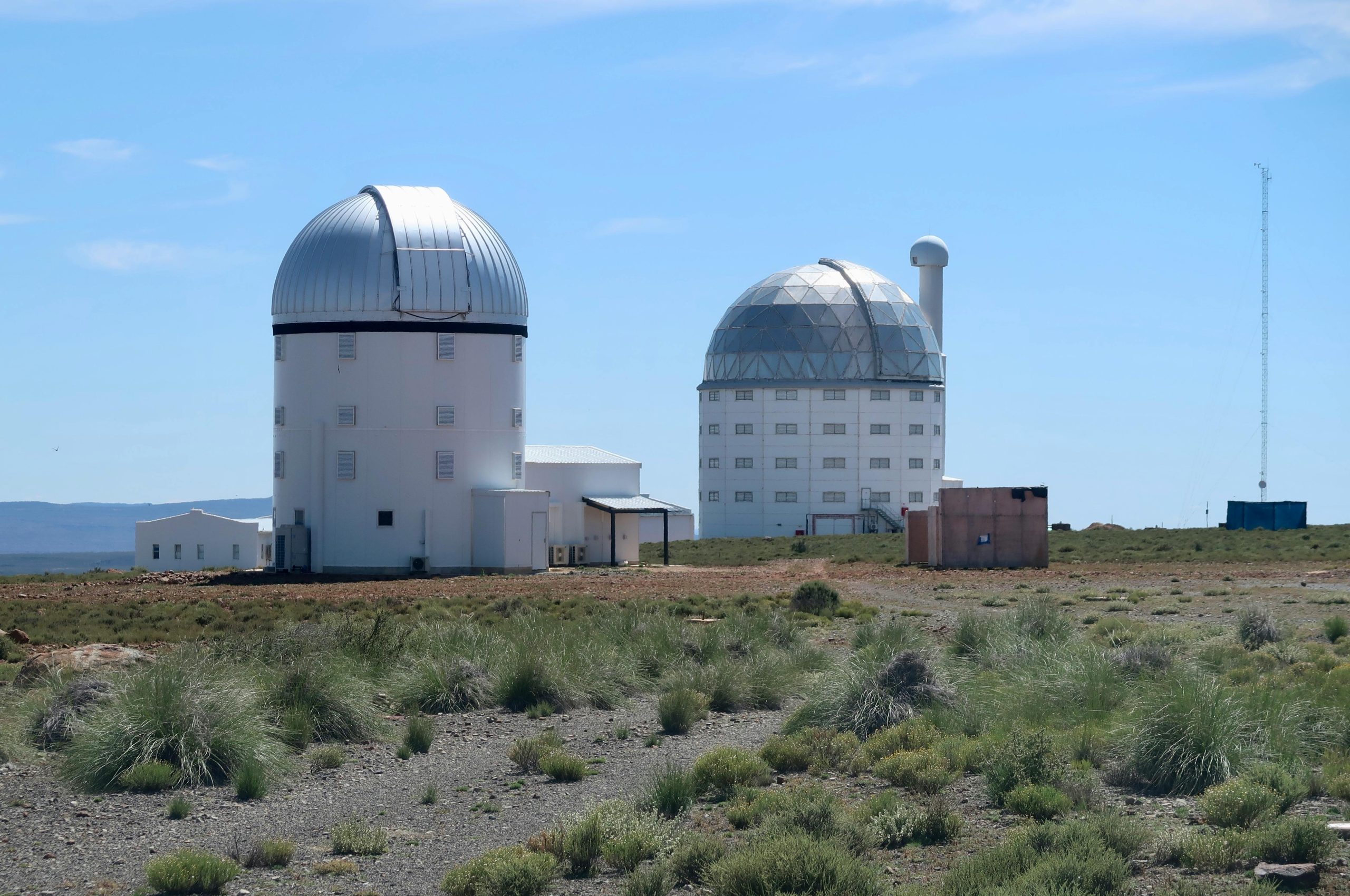
The Southern African Large Telescope (SALT) in South Africa, Sutherland
Notable Astro tourism areas
- The Karoo and Sutherland: Among the darkest skies in the Southern Hemisphere
- Cederberg Conservancy: Rugged landscapes and dedicated observatories
- Kruger National Park: Stargazing paired with iconic wildlife encounters
- Namibia and Botswana: Desert landscapes and internationally recognised dark-sky reserves
Best time for stargazing in South Africa
Winter months (May to September) are ideal, offering clear, dry conditions and prime Milky Way visibility.
What to pack and how to prepare
Preparation is simple, but important. Warm layers are essential, as temperatures drop significantly after dark, especially in high-altitude areas. Comfortable shoes, a headlamp with a red light setting (to maintain your night vision), and binoculars are highly recommended.
Planning travel around dry seasons and new moon phases makes a significant difference to sky clarity. Lodges and guides can tailor experiences to celestial events, from meteor showers to lunar phases.
Astro tourism and the environment
Astro tourism plays a valuable role in conservation. By encouraging low-impact, night-focused experiences, it promotes sustainable tourism and highlights the importance of protecting dark skies as a natural resource.
Many initiatives support local communities, preserve indigenous knowledge and advocate for responsible lighting practices. In this way, Astro tourism not only showcases the stars but also helps protect the environments that make these experiences possible.
Looking up: The future of safari travel
Astro tourism represents a powerful new dimension of African travel. It complements safari perfectly, adding depth, wonder and reflection to journeys that are already rich with meaning.
For travellers seeking something genuinely different, East and Southern Africa offer front-row seats to the universe. These are places where ancient landscapes meet infinite skies. As interest continues to grow, now is the time to look beyond daylight adventures and discover Africa after dark, where the stars tell stories as unforgettable as the wildlife below.
Somak Luxury Travel is ready to tailor-make your holiday to your interests and dreams. Enquire now. Let us guide you to your ideal getaway.
Contact
Somak House
Harrovian Business Village
Bessborough Road
Harrow On the Hill
HA1 3EX
Tel: +44 20 8423 3000
Email: info@somak.com
Opening times
| Mon - Fri | : | 9am to 6pm |
| Sat - Sun | : | Closed |